






Pharmacovigilance helps monitor medicine safety after approval. Learn how it supports patient safety, regulatory compliance, and pharmaceutical companies in Southeast Asia

A pharmacist notices something. Three patients, all recently started on the same new medication, mention a similar mild side effect within the same week. On its own, each report seems minor, barely worth a second thought. Together, they might be an early signal worth a closer look. So the pharmacist logs all three through the proper reporting channel, exactly as she has been trained to.

That act of noticing, recording, and reporting, even when nothing is certain yet, is pharmacovigilance in its most everyday form. Multiplied across thousands of clinics, pharmacies and hospitals, this is what allows the fast-expanding pharmaceutical sector to keep a close watch on the products it brings to market.


Pharmacovigilance Southeast Asia

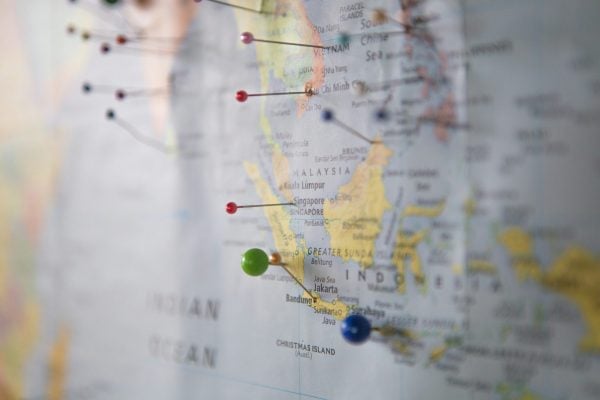
Southeast Asia's pharmaceutical sector continues to expand as regional and international pharmaceutical companies bring new treatments to markets across countries like Malaysia, Singapore, Indonesia and the Philippines. As access to medicines grows, so does the responsibility to monitor how these products perform once they reach patients.

Pharmacovigilance, the ongoing monitoring of medicine safety after approval, has become an essential part of how pharmaceutical companies and their distribution partners protect patient wellbeing and sustain long-term trust in the region's healthcare systems.

For pharmaceutical companies operating across several Southeast Asian markets at once, pharmacovigilance is not a single, isolated compliance requirement. It is a continuous process that begins the moment a product reaches a healthcare professional or patient, and it plays an increasingly important role in maintaining regulatory compliance, healthcare professional confidence, and long-term commercial credibility within a highly regulated industry.

Understanding Pharmacovigilance and Its Role in Healthcare

Clinical trials play a foundational role in establishing the safety and efficacy of a product before it reaches the market. Trials are, however, conducted with a defined number of participants over a defined period of time. Once a product becomes available to a much wider population, over longer timeframes and often alongside other treatments and health conditions, ongoing monitoring becomes essential to maintaining the same standard of care established during clinical development.

Pharmacovigilance refers to the science and activities related to the detection, assessment, understanding, and prevention of adverse effects or other medicine-related problems. In practice, it typically involves several core activities:

  • Collection of adverse event reports from healthcare professionals and patients
  • Ongoing reviews and analyses of reported data to identify potential safety signals
  • Escalation of confirmed or suspected cases to the relevant regulatory authorities and manufacturers
  • Communication of updated safety information back to healthcare professionals and the public
Pharmaceutical distribution Southeast Asia

Together, these activities enable early identification of genuine safety signals and the appropriate action to be taken, supporting continued confidence in a medicine long after its initial approval.

Why Pharmacovigilance Requires a Regional Approach in Southeast Asia

Southeast Asia does not operate as a single regulatory market. Malaysia's National Pharmaceutical Regulatory Agency (NPRA), Singapore's Health Sciences Authority (HSA), Indonesia's Badan Pengawas Obat dan Makanan (BPOM) and the Philippines' Food and Drug Administration (FDA) each maintain distinct reporting requirements, timelines, and expectations for how adverse events should be documented and escalated. For a closer look at how these regulatory bodies compare more broadly, including registration and approval timelines, you may refer to Southeast Asia's regulatory landscape for pharmaceutical market entry.

Healthcare distribution Southeast Asia

For principals bringing products into several of these markets simultaneously, this is an important part of the operational landscape. Companies benefit from working with partners who already understand the reporting requirements and regulatory expectations specific to each market, enabling timely, accurate safety reporting across the region rather than a delayed, market-by-market response.

The Role of a Distribution Partner in Supporting Pharmacovigilance

As the in-market presence for the principals they represent, distribution partners are often the first point of contact when a healthcare professional or pharmacist identifies a potential safety concern. This places distribution partners in a position of genuine responsibility within the pharmacovigilance process.

A capable distribution partner should be able to:

Maintain clear, well-understood reporting channels with healthcare professionals, pharmacies, and hospitals across each market

Train frontline healthcare staff on how and when to report adverse events

Escalate safety information to principals and regulators within the timelines required by each market

Apply a consistent standard of vigilance across every market in which they operate

This structured approach helps ensure that safety information moves efficiently from the point of care to the relevant regulatory authorities and manufacturers, supporting timely decision-making and sustained patient safety.

As Southeast Asia's pharmaceutical sector continues to grow, the strength of a company's pharmacovigilance processes will remain an important factor in building long-term trust with healthcare professionals, regulators, and patients alike. Companies that invest in robust, regionally informed safety monitoring are better positioned to protect patient wellbeing while sustaining credibility across the markets they serve.

At EP Plus Group, we support principals across Pharmaceuticals, Fertility Sciences, Medical Aesthetics, and Medical Nutrition with in-market pharmacovigilance capabilities built for the realities of a multi-country region. By maintaining established reporting relationships with healthcare professionals, training frontline teams, and meeting each market's regulatory timelines, we help principals safeguard patient safety while building lasting trust across Southeast Asia's healthcare ecosystem.

To find out more about how we support principals across the product lifecycle, visit www.epplusgroup.com or get in touch with our team.


Share this post